





Fine Dining in Ruka: Arctic Cuisine You Need to Try
Ruka may be best known for its ski slopes and the northern lights, but the food scene here deserves just as much attention. Tucked into the wilderness of northern Finland, this small resort village has quietly become one of the country’s most exciting destinations for Arctic cuisine. Whether you visit in the depths of winter or during the luminous summer months, fine dining in Ruka offers something genuinely unlike what you’d find in a typical city restaurant.
The secret lies in the landscape itself. The forests, lakes, and fells surrounding Ruka are not just a backdrop for outdoor adventure; they are an active pantry, supplying kitchens with ingredients that carry the flavour of one of the world’s most pristine natural environments. Lapland’s food culture is rooted in this direct relationship between land and table, and in Ruka that tradition is alive and thriving.
What makes Arctic cuisine unique in Ruka
Arctic cuisine is defined by its ingredients, and nowhere is that more apparent than in northern Finland. The short growing season, clean air, and mineral-rich soils produce wild ingredients with an intensity of flavour that cultivated alternatives simply cannot match. Berries, mushrooms, freshwater fish, and game carry the unmistakable character of a landscape untouched by industrial agriculture.
What sets Ruka apart from other northern dining destinations is the concentration of culinary talent committed to celebrating these ingredients with honesty. Rather than importing fashionable produce or chasing international trends, the kitchens here build menus around what the surrounding forests and waters offer each season. Reindeer, wild salmon, lingonberries, cloudberries, and foraged mushrooms are not garnishes or novelties; they are the foundation of every plate.
The philosophy behind Arctic ingredients also reflects a deep respect for sustainability. Wild harvesting and seasonal cooking are not marketing concepts in this context; they are practical realities that have shaped northern Finnish food culture for generations, long before sustainability became a global conversation.
Why Ruka’s dining scene goes beyond the expected
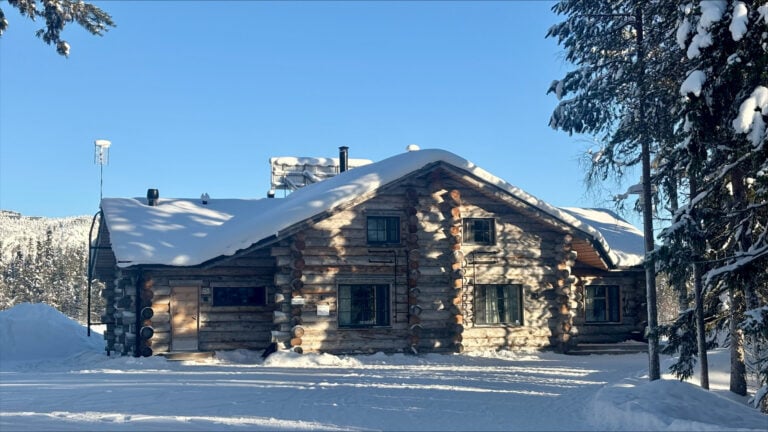
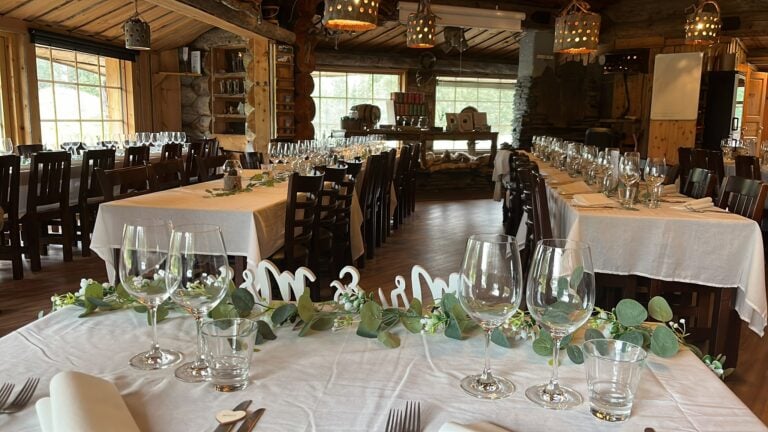
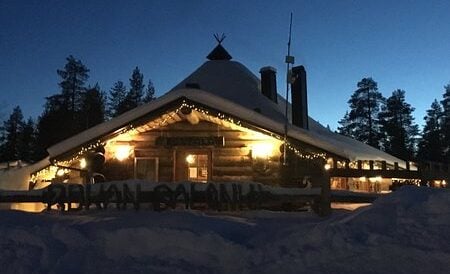
A resort village in the Arctic might not immediately suggest a sophisticated food scene, but Ruka consistently surprises visitors who arrive expecting basic ski-lodge fare. The dining experiences here range from atmospheric log-cabin restaurants to lakeside settings where the food is as memorable as the view.
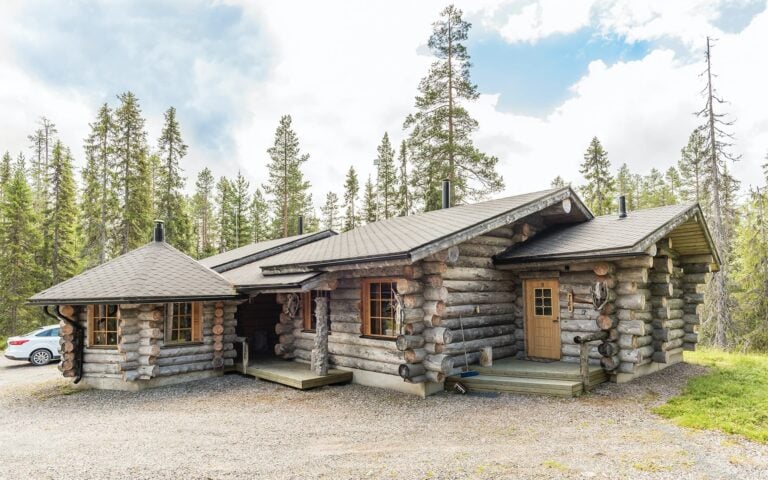
We are proud to offer three distinct restaurant experiences at Rukan Salonki, each with its own personality and approach to northern Finnish cooking. Ravintola Kultala specialises in wild food and local ingredients, serving breakfast and buffet dinners in an environment that feels genuinely connected to the landscape. Eräravintola Kymppi takes a more theatrical approach, with open-fire cooking at its heart. The signature loimulohi, a slow-cooked salmon prepared over an open flame, is the kind of dish that stays with you long after the meal ends. Villiruokaravintola Rukan Kuksa rounds out the offering with a full commitment to the wild-food philosophy, with the kitchen team drawing direct inspiration from the forests of Kuusamo.
Beyond our own restaurants, the broader Ruka area offers dining options that reflect the same values. The common thread running through the best Ruka restaurants is a refusal to compromise on provenance. When chefs here talk about local ingredients, they mean genuinely local—sourced from the surrounding region rather than from a national distributor and merely labelled with a regional name.
Must-try Arctic dishes and local ingredients
Game and freshwater fish
Reindeer is the ingredient most closely associated with Lapland food, and for good reason. When prepared well, it is rich and tender, with a depth of flavour that reflects the animal’s diet of lichen, moss, and Arctic grasses. In Ruka’s restaurants, reindeer appears in many forms, from slow-braised cuts to thinly sliced preparations that let the quality of the meat speak for itself.
Freshwater fish from the clean lakes of the Kuusamo region are equally essential. Arctic char, pike, and whitefish feature regularly, but salmon prepared over an open fire tends to leave the strongest impression. The loimulohi technique, in which the fish is mounted on a wooden board and cooked slowly beside an open flame, is both a cooking method and a spectacle.
Wild berries and foraged ingredients
The forests around Ruka produce an extraordinary variety of wild berries, and Finnish cuisine has always known how to use them. Lingonberries bring a sharp acidity that cuts through rich game dishes. Cloudberries, rare and intensely flavoured, appear in desserts and sauces. Bilberries, crowberries, and sea buckthorn each contribute their own character to menus that change as the seasons shift.
Wild mushrooms are equally important. Chanterelles, porcini, and funnel chanterelles grow abundantly in the surrounding forests during late summer and autumn, and skilled kitchens preserve and ferment them to extend their presence across the winter menu. These foraged ingredients give dining in northern Finland a depth and complexity that cannot be replicated elsewhere.
How to pair your dining with Ruka’s seasonal experiences
One of the genuine pleasures of eating in Ruka is how naturally the food connects to whatever is happening outside. The dining experience here is not separate from the landscape; it is an extension of it, and the seasons shape both the menu and the mood of the meal.
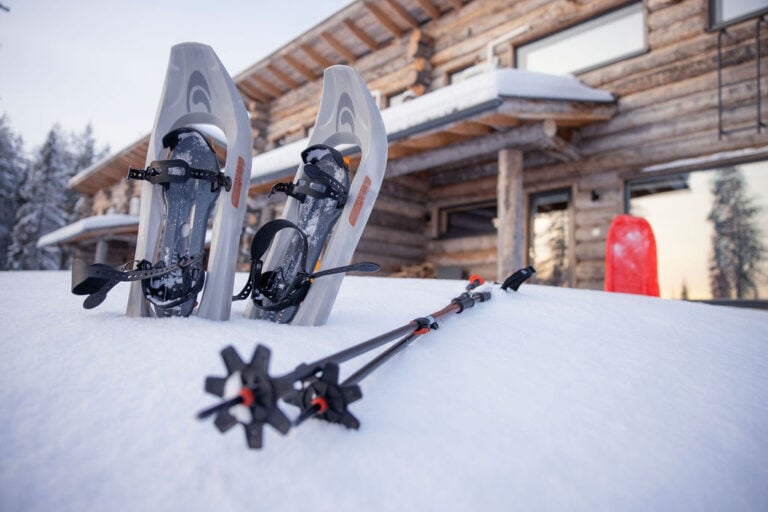
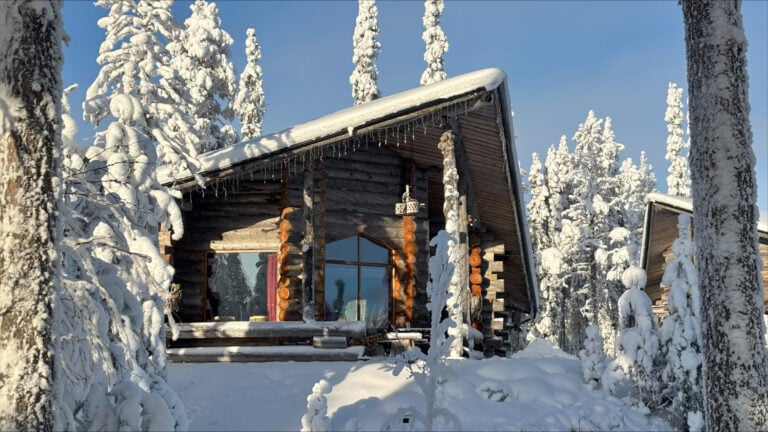
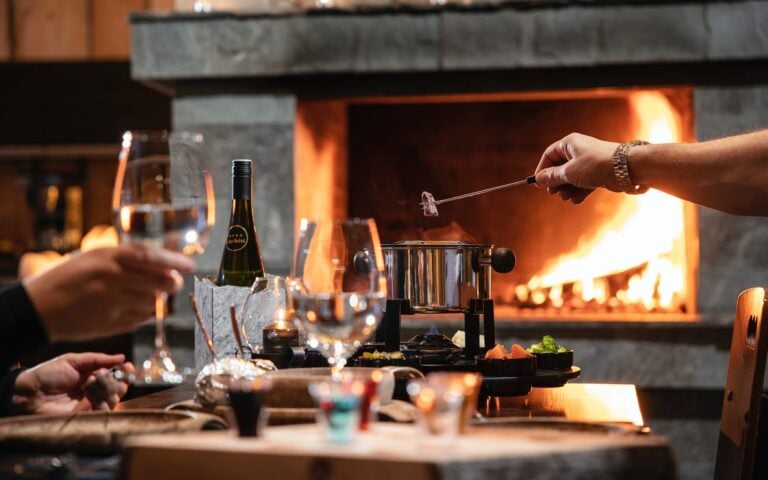
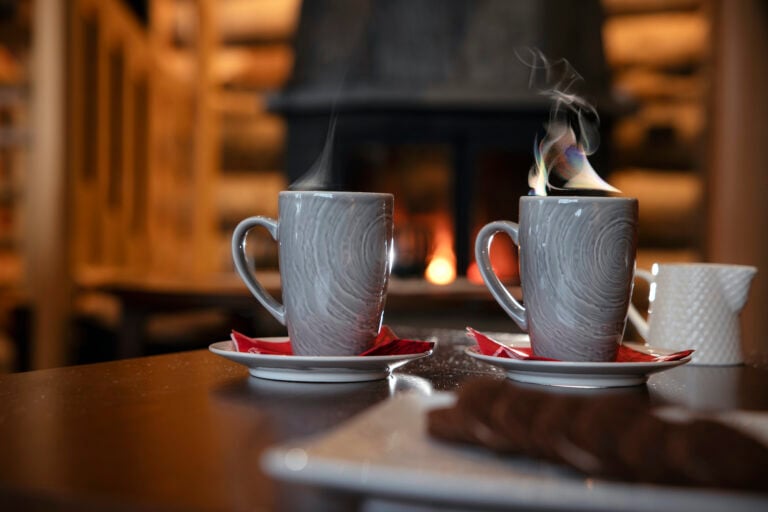
In winter, a day of skiing or a snowshoe trek through the forest builds exactly the kind of appetite that a reindeer stew or a slow-cooked salmon dinner satisfies most completely. There is something deeply right about sitting beside a log fire in a traditional hirsi restaurant after spending hours in the cold. The warmth, the open flame, and the hearty food feel like a natural conclusion to the day rather than a separate activity.
Summer brings a different energy. The midnight sun creates a strange and beautiful light that transforms outdoor dining into something almost surreal. Long evenings by Lake Salonkijärvi, with the sky still bright at midnight and a plate of freshly caught fish in front of you, offer a northern Finnish dining experience with no equivalent anywhere else. Autumn, meanwhile, is arguably the finest season for foragers and food lovers. The forests are full of mushrooms and berries, and kitchen menus reflect that abundance directly.
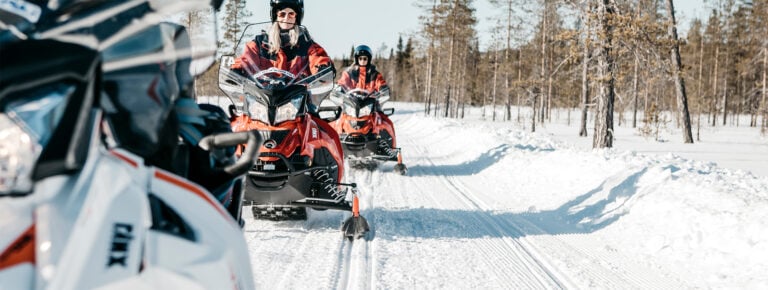
Pairing a restaurant visit with an outdoor activity—whether it’s a morning ski, an afternoon snowmobile safari, or an evening kayak on the lake—turns a good meal into a complete experience. The food tastes better when it follows genuine physical engagement with the landscape that produced it.
Tips for finding the best fine dining in Ruka
Book ahead, especially in peak season
The best restaurants in Ruka fill up quickly, particularly during the winter ski season and the summer midnight sun period. Tables at popular venues are often reserved weeks in advance, and last-minute walk-ins during busy periods can be disappointing. Making a reservation before your trip, rather than after you arrive, is always the better approach. Book a table early to secure your preferred date and dining experience.
Follow the seasons and the menu
The finest Arctic cuisine in Ruka changes with the seasons, and the most rewarding meals tend to come from menus built around what is currently available rather than a fixed, year-round offering. When visiting, ask what is seasonal and what the kitchen is most excited about at that moment. Chefs who cook with wild and foraged ingredients always have a strong opinion about what is at its peak, and following their guidance usually leads to the most memorable plates.
Look for restaurants with genuine wild food credentials
Not every restaurant in a northern resort uses genuinely local or wild ingredients, even if the menu language suggests otherwise. The best Ruka restaurants are transparent about where their ingredients come from and how they are prepared. Wild food credentials show up in the specificity of a menu, in the cooking techniques used, and in the willingness of staff to talk in detail about provenance. A restaurant that can tell you exactly where the reindeer came from or which local forager supplies the mushrooms is almost always worth trusting.
Ruka’s food scene rewards curiosity and a willingness to eat with the seasons. The Arctic cuisine here is not a performance of northern identity; it is the real thing, shaped by landscape, tradition, and a genuine commitment to the extraordinary ingredients that this corner of Finland produces. Come hungry, book early, and let the north feed you properly.