




Is it cold all year round in Finland?
Finland is one of Europe’s most fascinating travel destinations, yet many people hesitate to book holiday packages to Finland because they assume the country is locked in a deep freeze year-round. The reality is far more varied and surprising. Finland experiences four genuinely distinct seasons, each offering its own character, beauty, and outdoor opportunities.
Whether you are drawn by the magic of the Northern Lights, the warmth of the midnight sun, or the thrill of wilderness adventures, understanding Finland’s climate will help you plan the perfect trip. Let’s answer the most common questions about Finnish weather so you can travel with confidence.
Is Finland cold all year round?
No, Finland is not cold all year round. Finland has four distinct seasons with significant temperature variation. Summers in southern Finland can be genuinely warm, with temperatures regularly reaching 20 to 25 degrees Celsius. Only the northernmost regions, such as Finnish Lapland, experience cooler summers, though even there, temperatures are pleasant for outdoor activities.
The perception of Finland as permanently frozen comes from its winters, which are undeniably cold, especially in the north. However, spring and autumn offer mild, colourful transitions, and summer is a season of long daylight hours, lush forests, and warm lake swimming. Visitors who arrive expecting endless snow are often delighted to discover a country that transforms dramatically with each passing season.
What are the average temperatures in Finland by season?
Finland’s temperatures vary considerably by both season and region. In southern Finland, summer temperatures average between 17 and 25°C, autumn ranges from 5 to 15°C, winter sits between -5 and -15°C, and spring climbs gradually from freezing to mild. In northern Lapland, including the Ruka region, winters are colder and summers are cooler but still comfortable for exploration.
Summer (June to August)
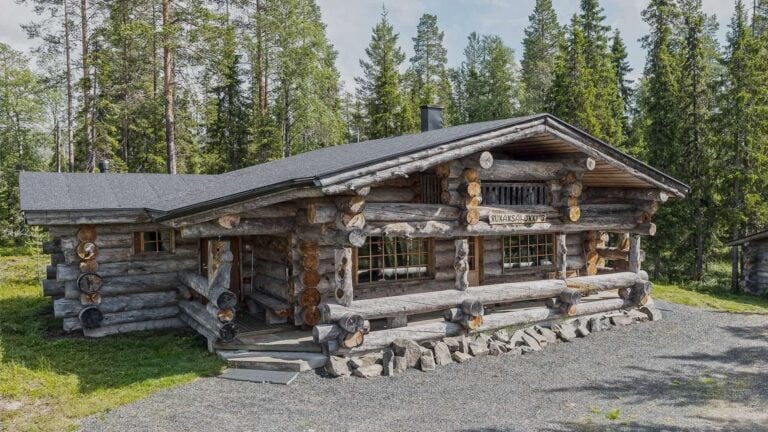
Summer is Finland’s warmest season, with long days and, in the far north, the phenomenon of the midnight sun, when the sun never fully sets. Temperatures in Lapland typically hover between 15 and 22°C, making it ideal for hiking, canoeing, and cycling. The landscape bursts into vivid greens, wildflowers bloom, and the lakes warm enough for swimming.
Autumn (September to November)
Finnish autumn, known locally as ruska, is a spectacular season when the forests turn gold, red, and orange. Temperatures drop from around 10°C in September to near freezing by November. Lapland experiences its first snowfall earlier than the south, sometimes as early as October, creating magical transitional scenery.
Winter (December to March)
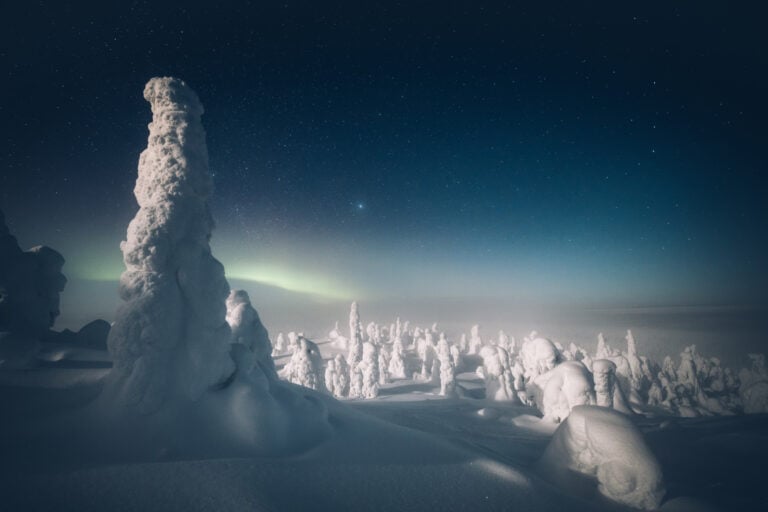
Winter brings snow, darkness, and temperatures that can fall well below -20°C in Lapland. This is the season most associated with Finland internationally, and it delivers extraordinary experiences, including the Northern Lights, reindeer safaris, and world-class skiing.
Spring (April to May)
Spring is a season of rapid change. Snow melts quickly, rivers run high, and daylight hours increase dramatically. By late May, temperatures in the south reach 15°C or more, while Lapland’s spring arrives a few weeks later, with a fresh, crisp energy that feels uniquely northern.
How cold does it get in Finnish Lapland in winter?
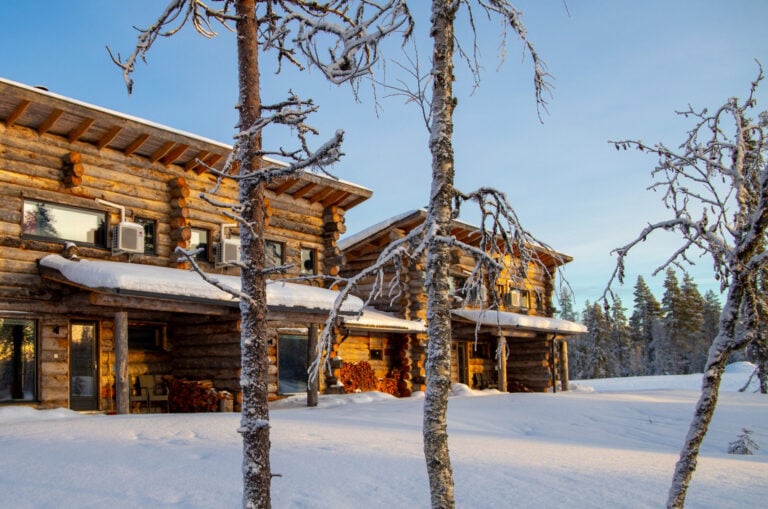
Finnish Lapland winters are genuinely cold. Average temperatures in the Ruka region between December and February range from -10 to -20°C, and cold snaps can push temperatures to -30°C or below. Snowfall is reliable and consistent, typically covering the landscape from November through April, making it one of Europe’s most dependable winter destinations.
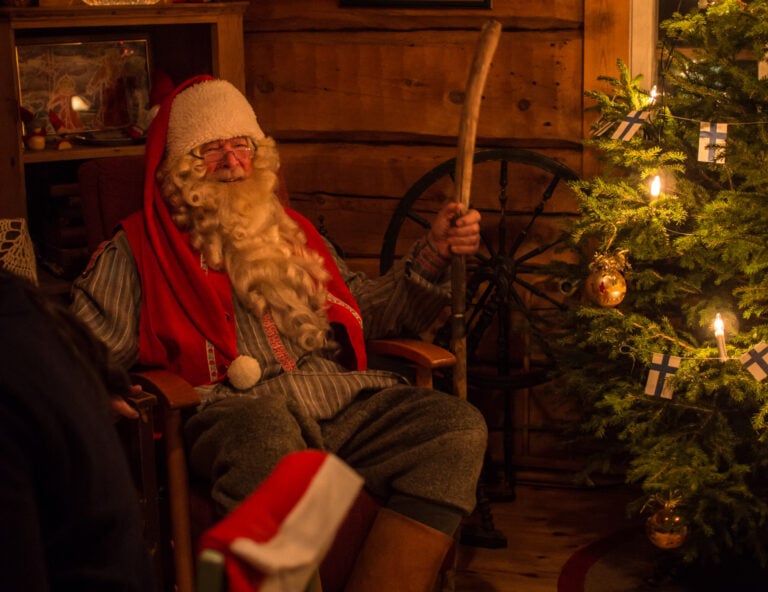
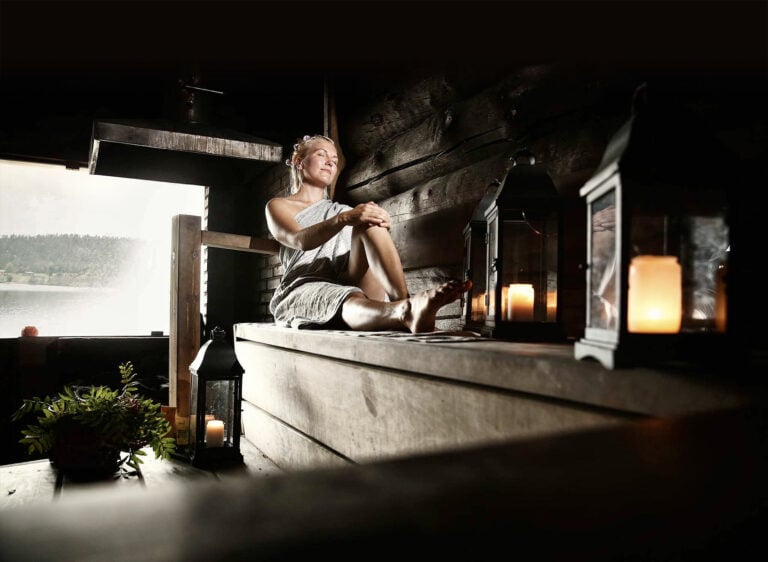
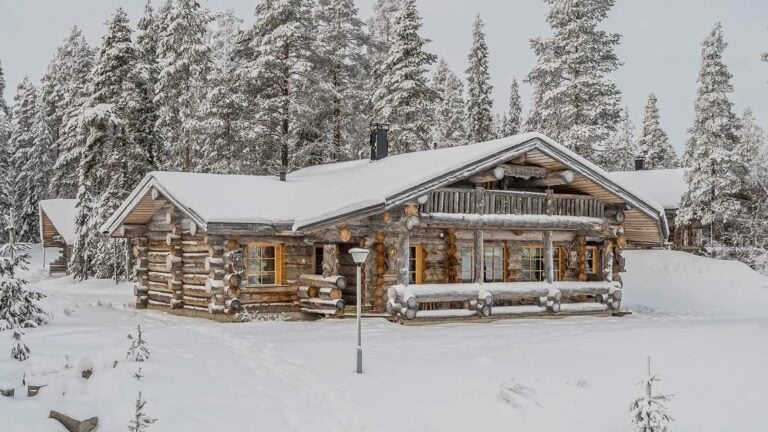
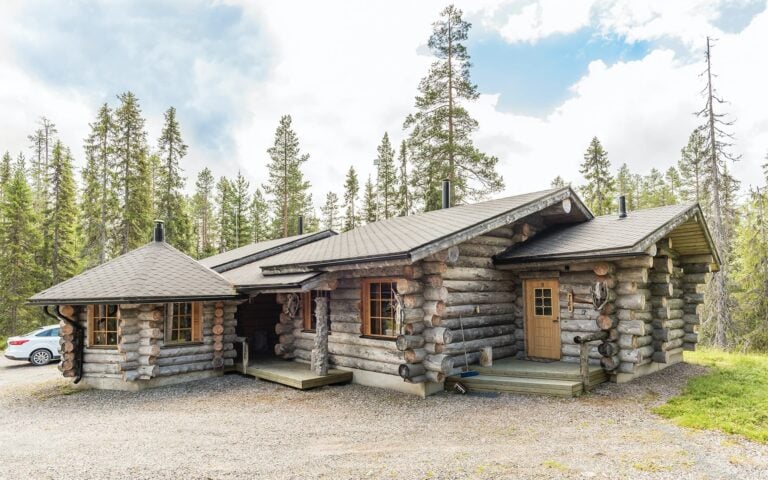
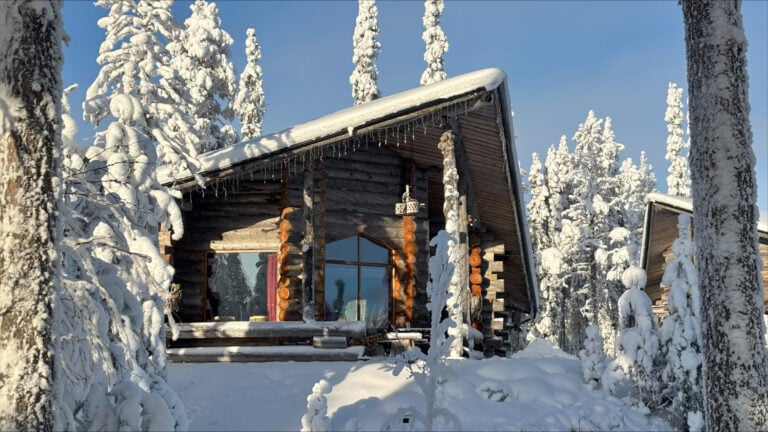
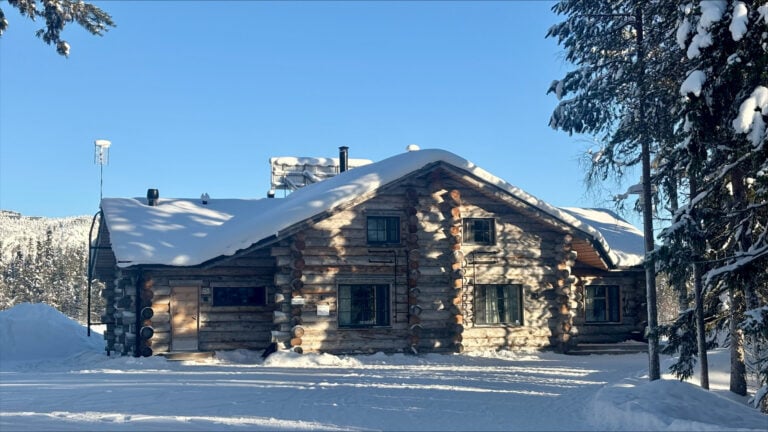
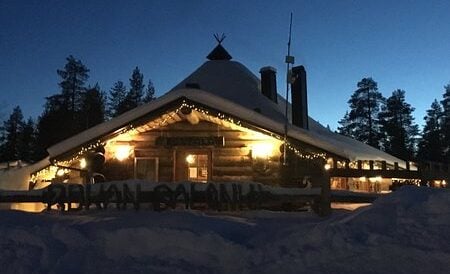
Despite the cold, winter in Lapland is deeply rewarding for visitors who come prepared. The snow-covered forests, frozen lakes, and dark skies create a landscape unlike anywhere else in Europe. The darkness of polar night, when the sun barely rises above the horizon, also creates the perfect conditions for witnessing the Northern Lights. Staying in a traditional log cabin, such as the kelohirsi chalets we offer at Rukan Salonki, means you can warm up beside a wood fire or in a private sauna after a day spent in the winter wilderness.
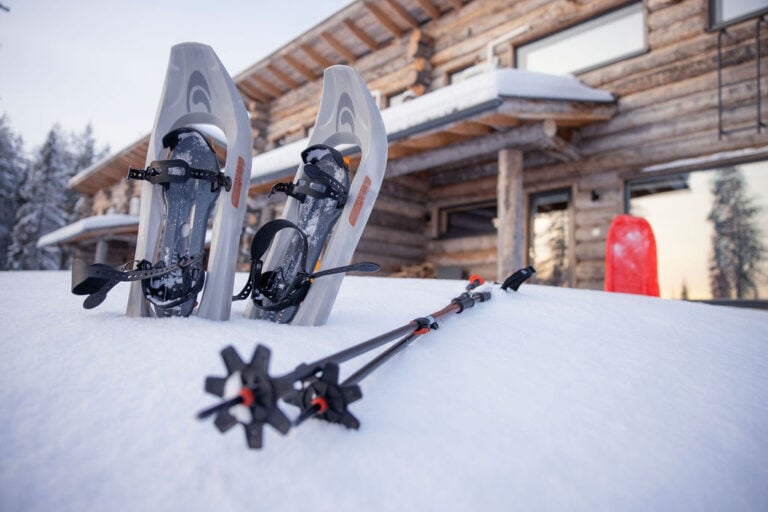
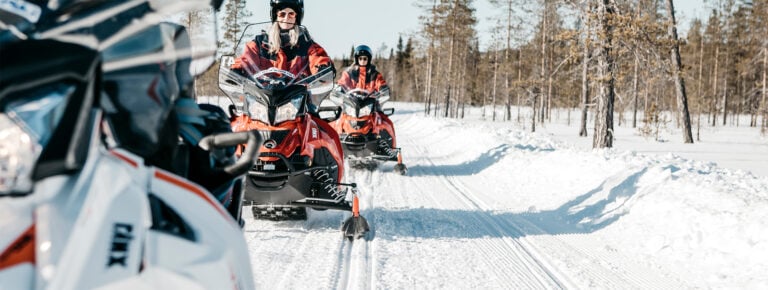
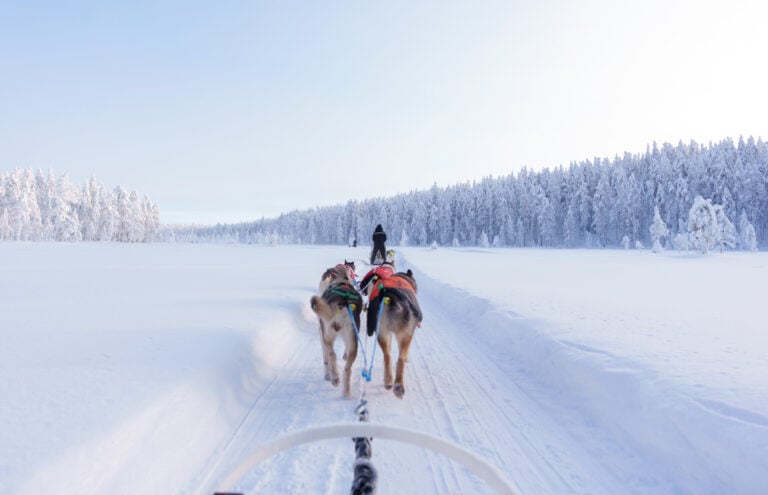
The key to enjoying Lapland winter is layering properly and embracing the cold rather than fighting it. Guided snowmobile safaris, snowshoe treks, and ice fishing are all far more enjoyable when you are dressed correctly and in the company of experienced local guides.
What is the best time of year to visit Finland?
The best time to visit Finland depends entirely on what you want to experience. For the Northern Lights, visit between late September and March. For the midnight sun and summer hiking, June and July are ideal. For skiing and snowmobile adventures, February and March offer the best combination of snow, daylight, and milder temperatures. There is genuinely no bad time to visit.
Winter travellers, particularly those seeking the classic Lapland experience, tend to find February and March most rewarding. By this point, daylight hours have increased noticeably compared to December, temperatures are still cold enough for reliable snow activities, and the chances of seeing the Northern Lights remain high. Families with children often find this period especially magical.
Summer visitors, meanwhile, are rewarded with the extraordinary experience of the midnight sun. In the Ruka region, the sun stays above the horizon for weeks at a time in June and July, allowing for hiking, paddling, and cycling at any hour of the day. Those planning holiday packages to Finland for the summer should book well in advance, as accommodation in popular areas fills quickly during the peak season.
Autumn is an underrated time to visit. The ruska foliage season in September is breathtaking, crowds are smaller than in summer or peak winter, and the first snowfalls of the season add a sense of anticipation to every day outdoors.
What should you pack for Finland in different seasons?
What you pack for Finland depends heavily on the season, but layering is the universal principle that applies year-round. For winter visits to Lapland, thermal base layers, insulated mid-layers, a windproof outer shell, waterproof boots rated to at least -30°C, and accessories including a hat, balaclava, and warm gloves are essential. For summer, light layers, a waterproof jacket, and insect repellent are the priorities.
Winter packing essentials
- Thermal base layers (merino wool performs best in extreme cold)
- An insulating mid-layer, such as a down or fleece jacket
- Windproof and waterproof outer shell
- Winter boots rated to -30°C or lower
- Wool or fleece hat, balaclava, and warm gloves or mittens
- Wool socks (multiple pairs)
- Sunglasses or ski goggles for bright snow days
Summer packing essentials
- Light, breathable clothing for warm days
- A reliable waterproof jacket for rain and cooler evenings
- Sturdy hiking boots or trail shoes
- Insect repellent (Finnish forests have mosquitoes in summer)
- A sleep mask if you are sensitive to light during midnight sun nights
For spring and autumn visits, a mix of both lists works well. Temperatures can swing considerably within a single day, so adaptable layering remains the smartest approach regardless of when you travel.
What outdoor activities are possible in Finland all year round?
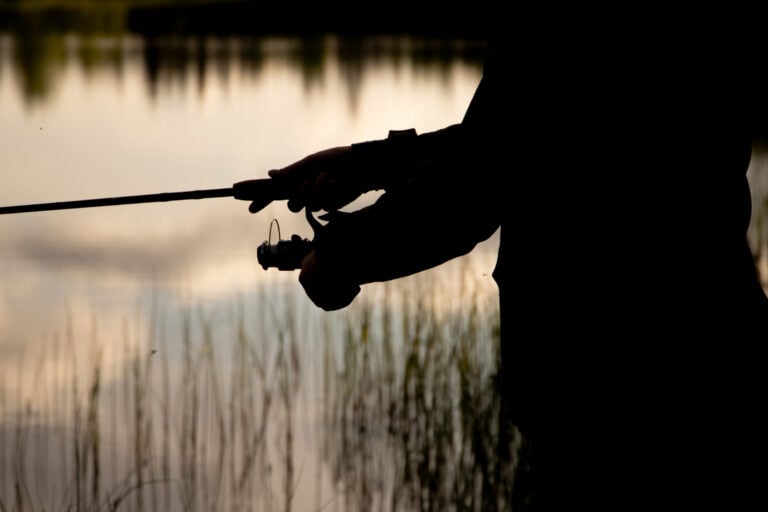
Finland offers outstanding outdoor activities in every season. Winter brings skiing, snowmobile safaris, snowshoeing, ice fishing, and Northern Lights watching. Summer opens up hiking, kayaking, canoeing, cycling, and wild swimming. Autumn is perfect for foraging, trekking through ruska forests, and fishing. Spring offers early-season hiking and wildlife watching as nature reawakens.
The Ruka region in northern Finland is one of the country’s most activity-rich destinations regardless of season. In winter, the ski slopes and cross-country trails are world-class, while guided snowmobile expeditions take visitors deep into the wilderness. We at Rukan Salonki Chalets offer a full range of activities through Salonki Travels, from traditional smoke sauna experiences to high-energy snowmobile safaris, so every guest can find an adventure that suits their pace and interests.
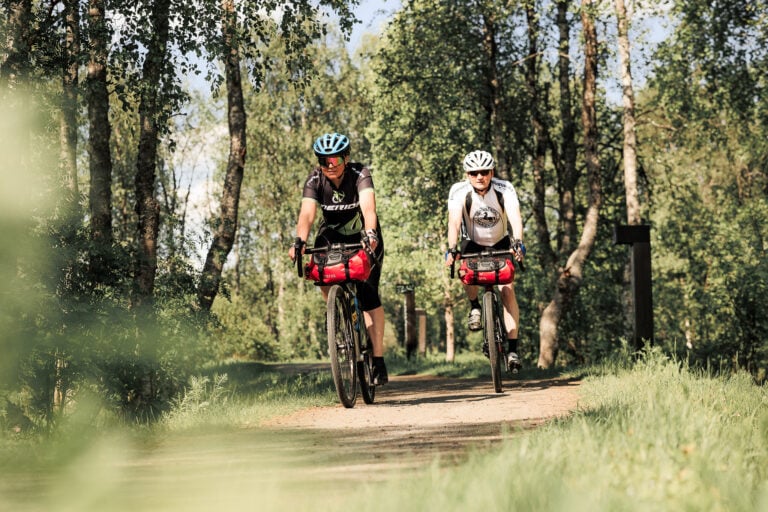
Summer transforms the same landscape into a paradise for paddlers and hikers. The national park trails around Ruka are well-marked and accessible to all fitness levels, and the lakes offer some of the finest canoeing and kayaking in Europe. Cycling routes wind through forests and alongside rivers, and the long daylight hours mean you can explore well into the evening without any sense of the day ending.
Finland’s year-round appeal is precisely what makes it such a compelling destination for those searching for holiday packages to Finland that go beyond a single season or a single type of experience. Whether you arrive in the depths of winter or the height of summer, the northern landscape always has something extraordinary to offer.