

What is the difference between a Ruka cabin and a hotel room?
Choosing between a Ruka cabin and a hotel room shapes your entire Lapland experience. A Ruka log cabins offers self-contained living with full kitchens, private saunas, and multiple rooms, creating a home-away-from-home atmosphere. Hotel rooms provide compact, service-oriented accommodation with daily housekeeping and front desk assistance. Cabins deliver privacy and space for families or groups, whilst hotels suit travellers seeking convenience and minimal responsibility during shorter stays.
What is the main difference between staying in a Ruka cabin and a hotel room?
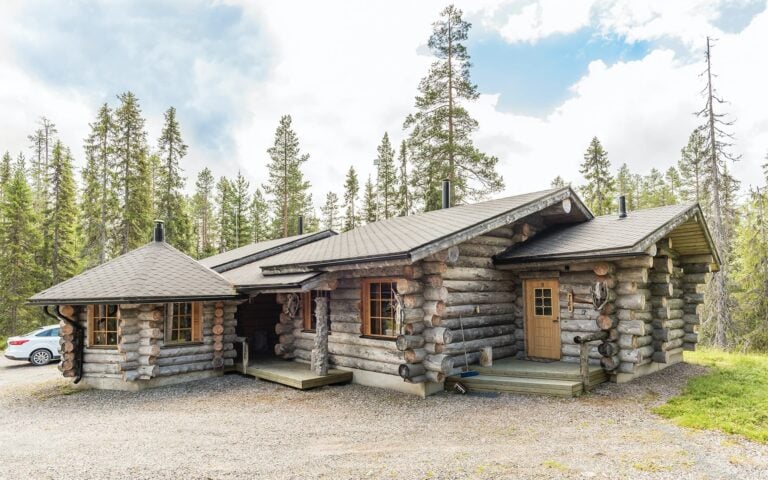
The fundamental distinction lies in space, autonomy, and atmosphere. A Ruka cabin functions as a complete living environment with separate bedrooms, living areas, full kitchens, and typically your own private sauna. Hotel rooms offer compact, single-space accommodation focused on sleeping and basic amenities, with services like daily cleaning and reception support included.
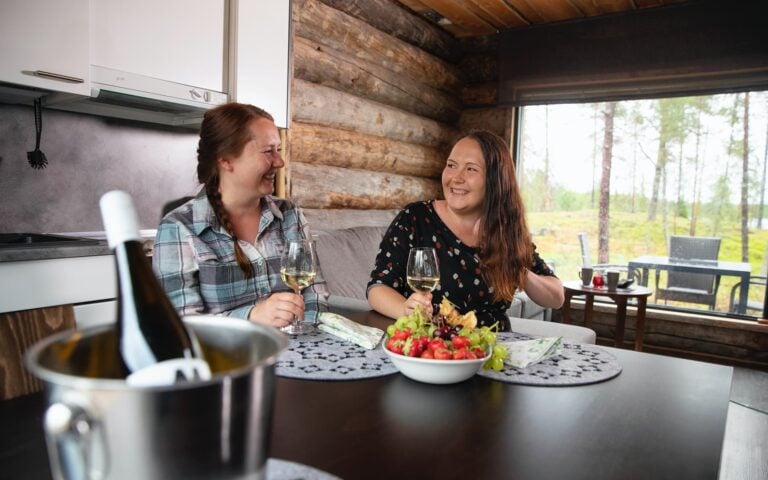
When you choose a cabin, you’re selecting independence and flexibility. You control meal times, cooking preferences, and daily routines without conforming to hotel schedules or dining hours. The self-contained nature means you can prepare breakfast in your pyjamas, enjoy evening snacks whenever hunger strikes, and maintain family routines that might be disrupted in hotel environments.
Hotel rooms excel at convenience for travellers who prefer minimal responsibility. Housekeeping maintains cleanliness daily, reception staff handle queries, and you simply lock the door and leave. However, this service-oriented approach comes with less privacy and limited space, particularly challenging for families with children or groups wanting to spend time together beyond sleeping hours.
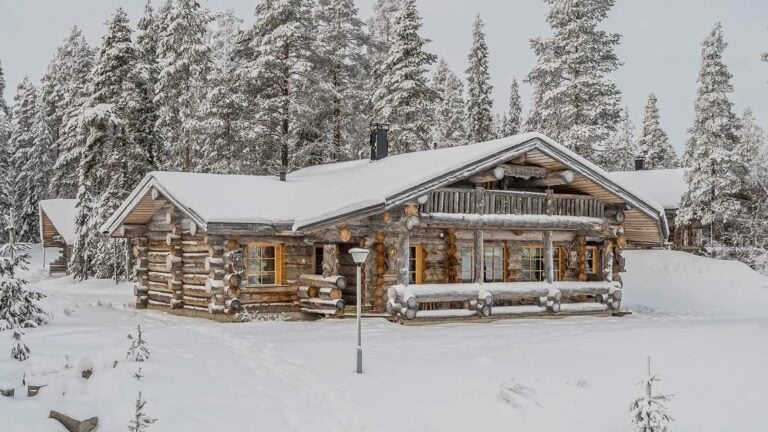
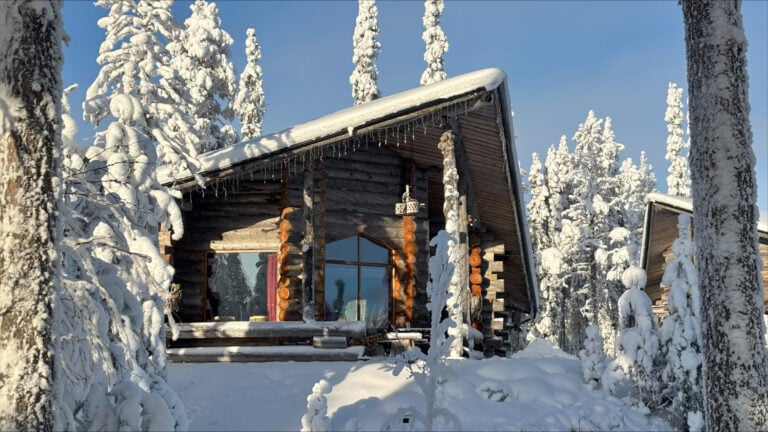
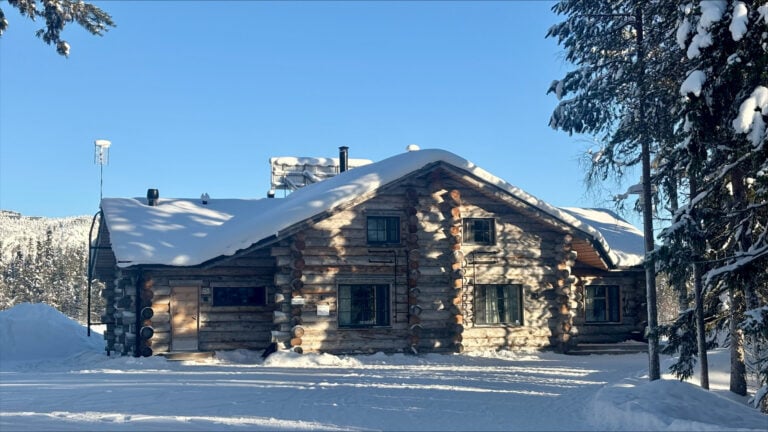
The atmosphere differs dramatically between these options. Traditional log cabins create an authentic Finnish experience, connecting you with Lapland’s natural heritage. Hotel corridors, lifts, and shared spaces feel more institutional, whilst cabins offer tranquil seclusion where your only neighbours might be reindeer or curious squirrels visiting your private outdoor space.
Why do families and groups prefer Ruka cabins over hotel rooms?
Families and groups consistently choose cabins for practical and financial reasons. Cost-effectiveness becomes apparent when splitting accommodation amongst several people—a cabin sleeping six costs significantly less per person than booking multiple hotel rooms. Beyond economics, cabins provide communal living spaces where everyone can gather naturally without crowding into a single hotel room or meeting only in public areas.
Multiple bedrooms within cabins offer privacy that hotel rooms cannot match. Parents appreciate having separate sleeping areas from children, whilst groups of friends value personal space after shared activities. This arrangement prevents the awkwardness of everyone retiring simultaneously because someone wants to sleep, allowing night owls and early risers to coexist comfortably.
Full kitchen facilities transform the family holiday experience. You can accommodate dietary requirements easily, prepare familiar meals for fussy eaters, and enjoy flexible dining times that suit your schedule rather than restaurant hours. Morning coffee becomes leisurely rather than rushed, and you can pack lunches for daily adventures without purchasing expensive takeaway options.
The relaxed, informal atmosphere of cabin accommodation suits family dynamics better than hotel formality. Children can play without worrying about disturbing neighbouring rooms through thin walls. Families can spread out belongings, maintain normal routines, and truly relax rather than feeling like temporary guests constrained by hotel etiquette and regulations.
What amenities do Ruka Salonki log cabins offer that hotel rooms typically don’t?
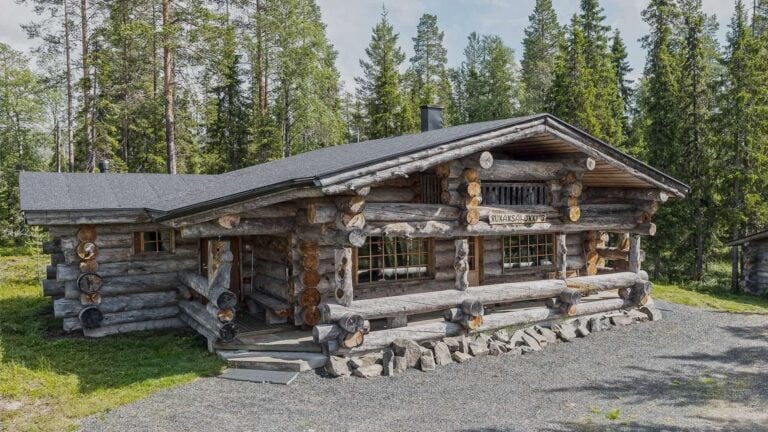
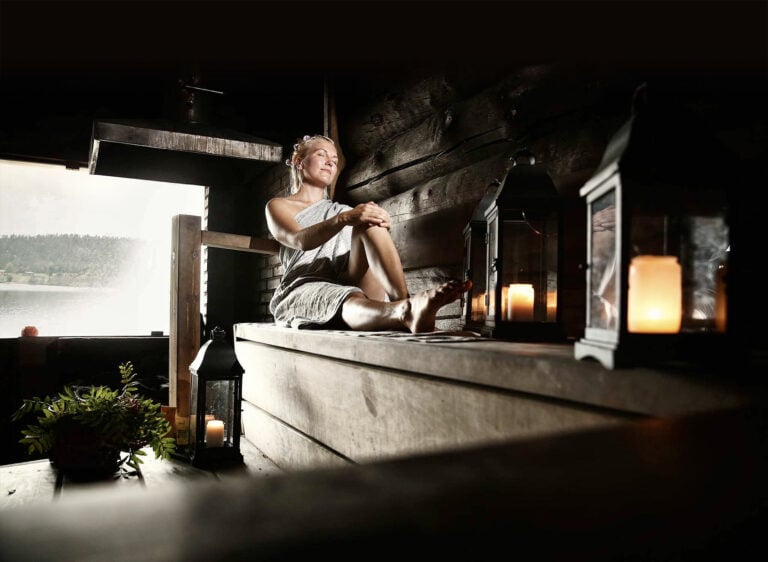
Our traditional log cabins provide distinctive features that enhance your Lapland experience far beyond standard hotel offerings. The private sauna stands as perhaps the most significant amenity—an authentic Finnish cultural element that becomes central to your daily routine. Unlike shared hotel saunas with restricted hours, your cabin sauna is available whenever you desire, perfect for relaxing after skiing or warming up before bed.
Full kitchen facilities equipped with proper cooking appliances, refrigerators, and dining areas let you prepare meals using local ingredients from Ruka’s markets. This capability transforms your stay from simple accommodation into an opportunity to experience Finnish culinary traditions, preparing fresh salmon or reindeer purchased from nearby suppliers whilst enjoying the process in your own space.
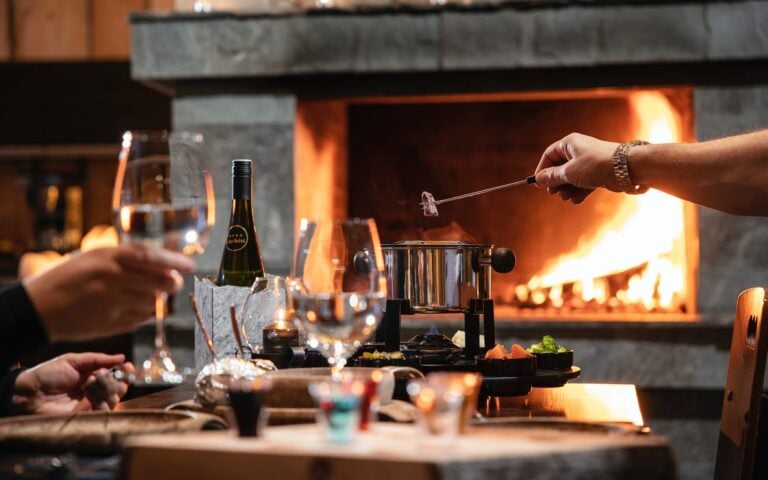
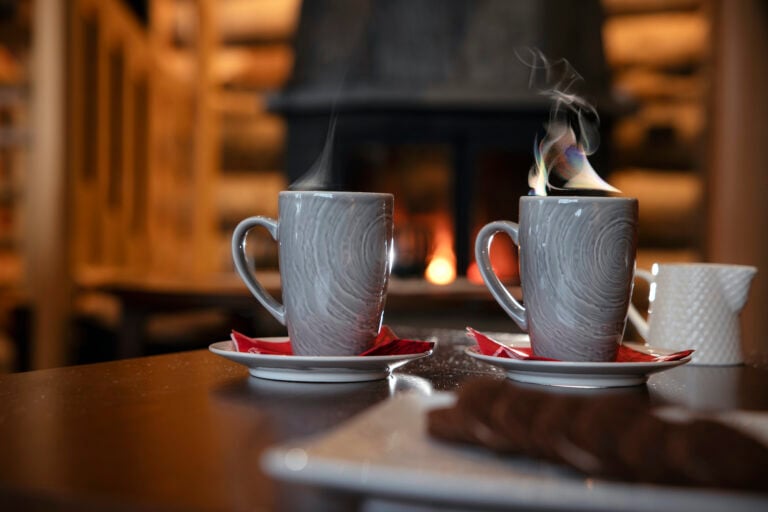
Separate living areas with comfortable seating and fireplaces create gathering spaces that hotel rooms cannot replicate. Imagine evenings spent before a crackling fire, sharing stories about the day’s adventures whilst watching snow fall outside panoramic windows. These spaces become the heart of your holiday, where memories form naturally through shared time together.
Our lakeside locations provide direct access to nature’s beauty. Step from your cabin onto private outdoor spaces with unobstructed views across the water, perfect for spotting northern lights dancing overhead or experiencing the midnight sun’s golden glow. The authentic log construction itself becomes part of the experience—the scent of timber, the warmth of natural materials, and the connection to traditional Finnish building heritage.
These amenities work together supporting both adventure and relaxation. Return from winter activities to your own sauna and kitchen rather than navigating hotel corridors. Enjoy morning coffee on your private terrace before heading out, and wind down evening in spaces designed for comfort rather than efficiency.
How does the location and setting differ between Ruka cabins and resort hotels?
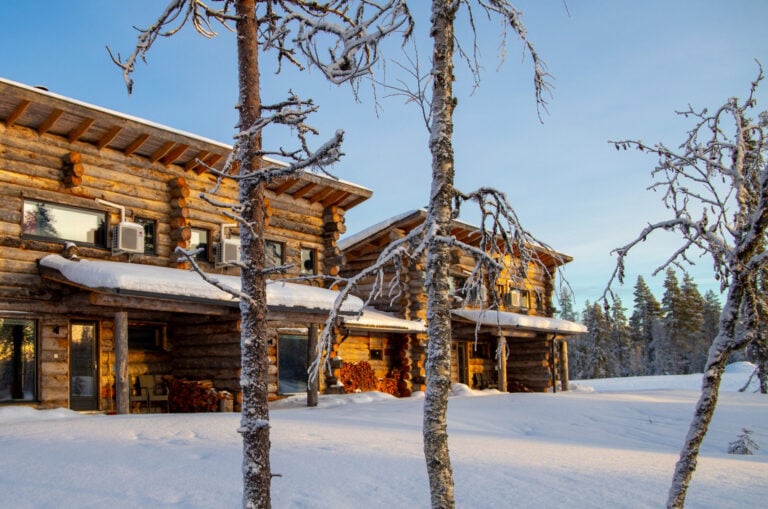
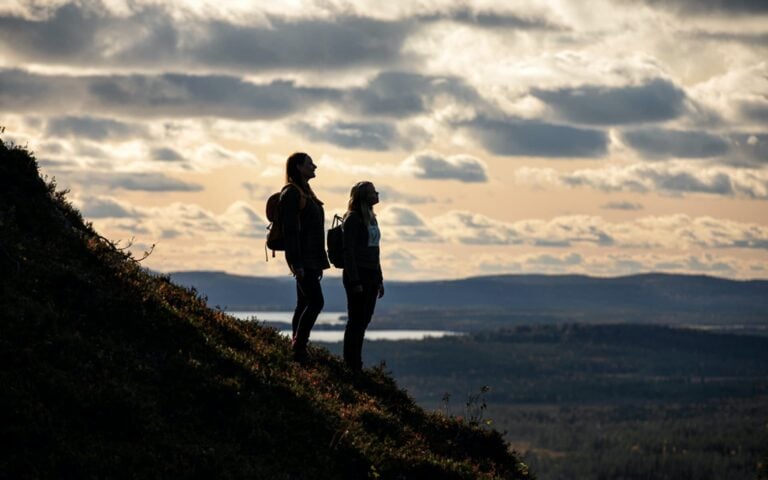
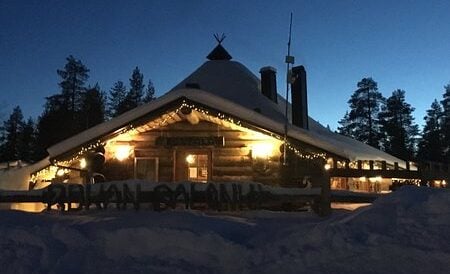
Cabin locations prioritise natural immersion and tranquillity. Our Rukan Salonki cabins sit in peaceful lakeside and forest settings where nature surrounds you completely. Wake to birdsong rather than corridor noise, and step outside into pristine wilderness rather than car parks and reception areas. This direct access to nature means you’re already experiencing Lapland before you even leave for planned activities.
Hotels typically occupy centralized resort locations focused on convenience and proximity to amenities. Whilst this offers easy access to shops and restaurants, it sacrifices the peaceful seclusion that makes Lapland special. The busier atmosphere suits short visits but can feel overwhelming during longer stays when you crave quiet moments surrounded by nature’s beauty.
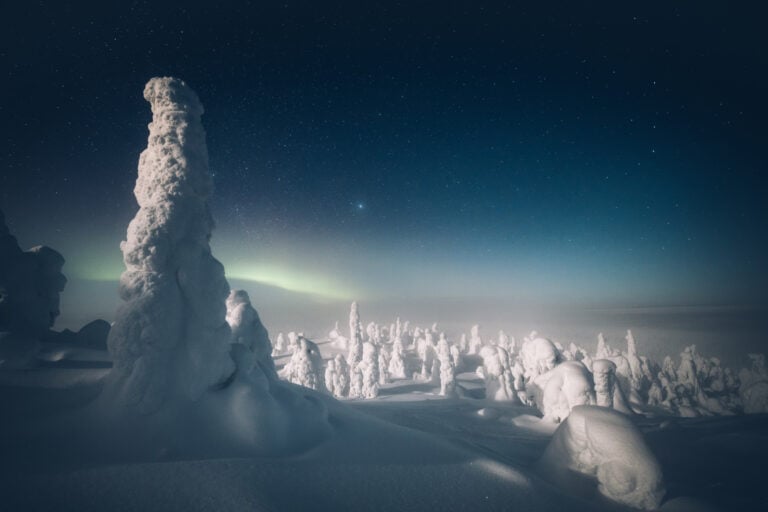
Our cabin settings serve as perfect base camps for year-round adventures. Winter brings opportunities to watch northern lights from your own terrace without light pollution obscuring the display. Summer offers midnight sun viewing, lakeside walks, and the chance to observe wildlife visiting the water’s edge. This natural positioning transforms accommodation from merely a place to sleep into an integral part of your Lapland experience.
The environmental difference extends beyond views to the entire atmosphere. Cabins provide retreat-like tranquillity where you can genuinely disconnect and recharge. Forest paths replace hotel corridors, and natural soundscapes replace muzak and conversation from neighbouring rooms. This setting particularly appeals to families wanting children to experience nature meaningfully and couples seeking romantic seclusion.
Which is better value for a winter holiday in Ruka: a cabin or a hotel room?
Value assessment depends on your group size and holiday style. For families and groups, cabins deliver superior value through cost-per-person economics and included amenities. A cabin accommodating six people costs considerably less per head than three hotel rooms, whilst providing more space, privacy, and facilities. The private sauna alone represents significant value compared to hotels charging extra for spa access.
Self-catering flexibility adds substantial financial benefit. Preparing even half your meals in your cabin kitchen rather than dining out exclusively can save hundreds of euros over a week-long stay. This doesn’t mean sacrificing culinary experiences—you can still enjoy local restaurants whilst controlling costs through selective dining rather than necessity-driven restaurant visits for every meal.
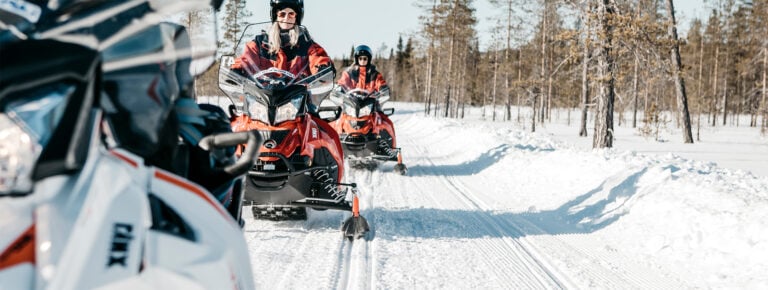
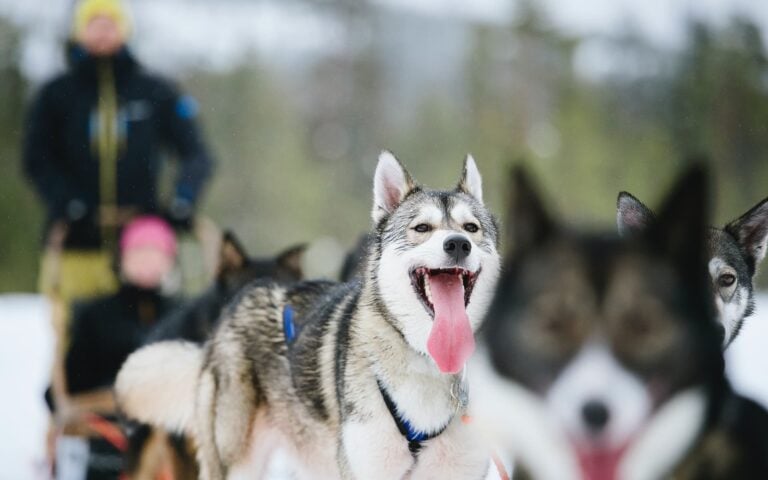
Our winter holiday packages combine quality accommodation with activities, creating comprehensive experiences that maximise value. These packages include cabin stays plus access to various winter adventures, eliminating the need to book components separately. The convenience of having everything arranged whilst maintaining the flexibility and space of cabin living represents excellent value for groups seeking complete holiday experiences.
Extended stays particularly favour cabin value. The longer your holiday, the more you benefit from kitchen facilities, space, and the comfort of settling into a home environment. Hotel rooms become constraining over time, whilst cabins remain comfortable throughout longer visits. Solo travellers or couples on brief weekend breaks might find hotels more practical, but families planning week-long winter holidays gain tremendous value from cabin accommodation.
Consider what’s included beyond basic accommodation. Our cabins provide private saunas, full kitchens, multiple rooms, and lakeside locations as standard—amenities hotels charge premium rates to access. When you factor in saved dining costs, the value of space for families, and the enhanced experience of authentic log cabin living, the choice becomes clear for most winter holiday makers.
Choosing the right accommodation shapes your entire Ruka experience. Cabins offer space, authenticity, and flexibility that transform holidays from simple visits into immersive Lapland experiences. Whether you’re planning family adventures, group celebrations, or romantic retreats, understanding these differences helps you select accommodation that truly serves your needs and creates the memories you’re seeking in Finnish Lapland.