






Which month is best for Finland?
The best month for Finland depends entirely on what you want to experience. Winter months (December to March) offer northern lights, snow sports, and magical winter landscapes, whilst summer months (June to August) provide midnight sun, endless daylight, and outdoor adventures. Spring and autumn serve as quieter seasons with their own unique charm. Your ideal timing matches your interests with Finland’s dramatic seasonal changes.
What makes each season special for visiting Finland?
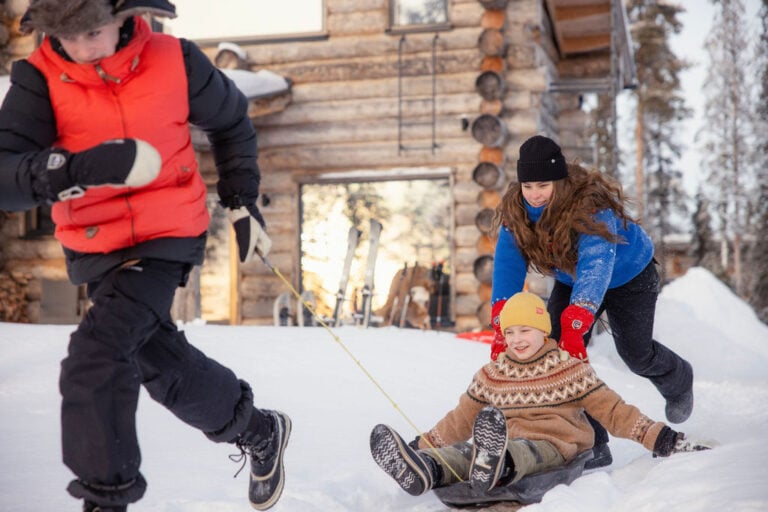
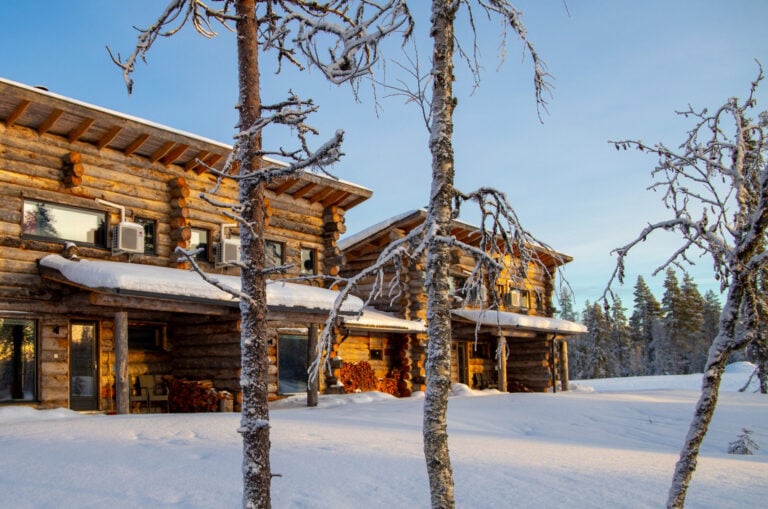
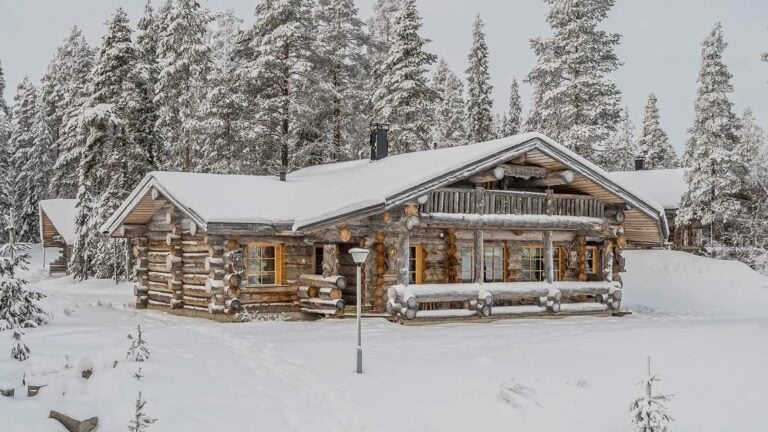
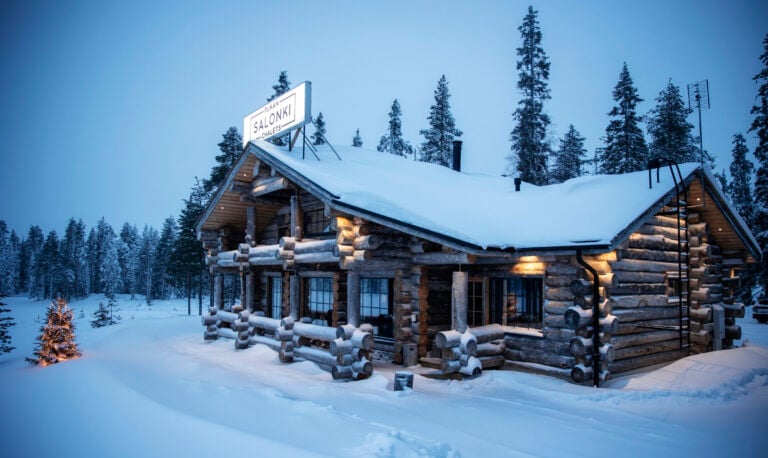
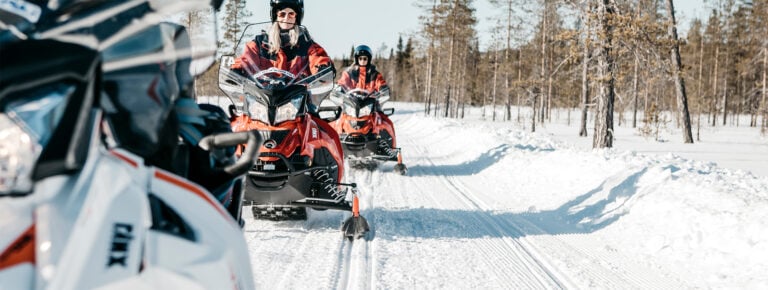
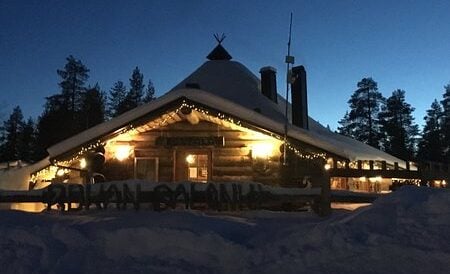
Finland experiences four dramatically distinct seasons, each offering completely different atmospheres and activities. Winter (December to March) transforms the landscape into a snowy wonderland with opportunities for northern lights viewing, skiing, and snowmobiling. The days are short, but the magical quality of snow-covered forests and frozen lakes creates an unforgettable setting.
Spring (April to May) brings the awakening of nature as snow melts and daylight hours rapidly increase. This transitional period offers quieter travel experiences with fewer tourists, though weather can be unpredictable. The landscape shifts from white to green, and you might catch late-season northern lights early in this period.
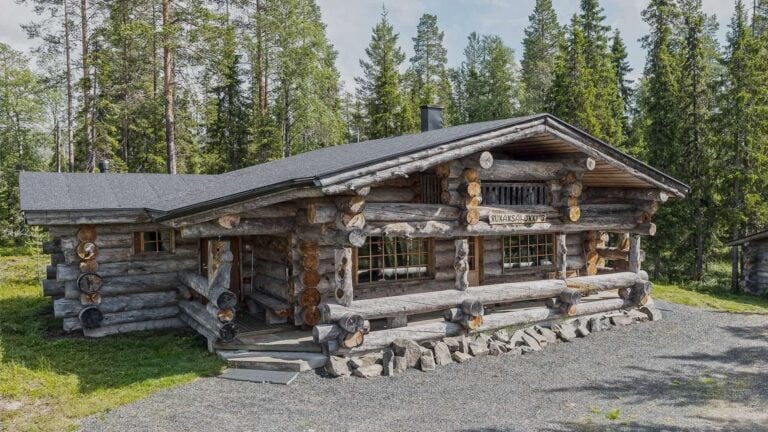
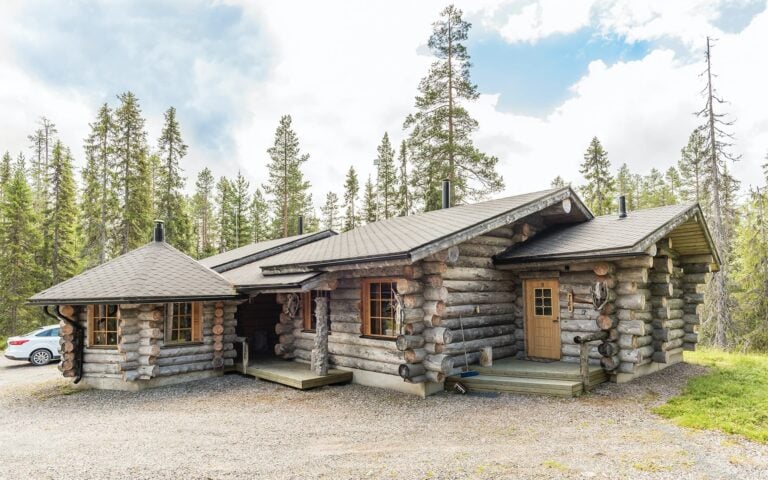
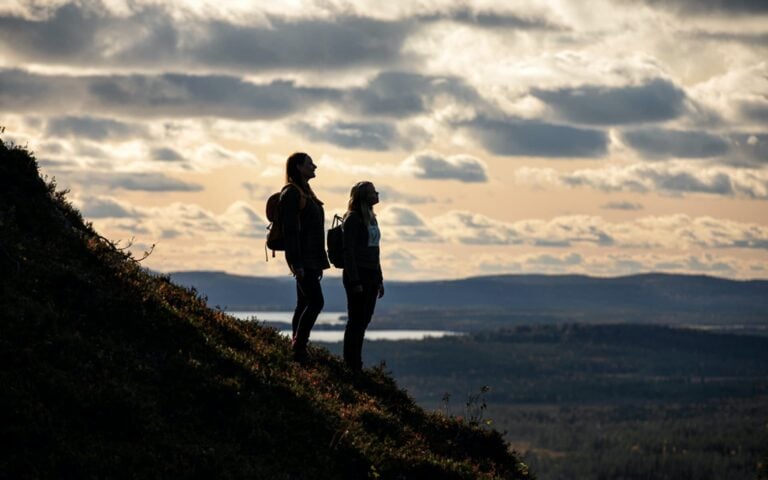
Summer (June to August) showcases Finland at its warmest and brightest, with the midnight sun phenomenon creating nearly 24-hour daylight in northern regions. This season is perfect for hiking, kayaking, fishing, and exploring Finland’s extensive national parks. Temperatures are comfortable, typically ranging from mild to pleasantly warm.
Autumn (September to November) paints the forests in stunning golden and red hues, particularly beautiful in Lapland. This season offers excellent opportunities for photography, berry picking, and experiencing the first auroras as darkness returns. The crisp air and changing colours create a peaceful atmosphere before winter arrives.
Which months are best for seeing the northern lights in Finland?
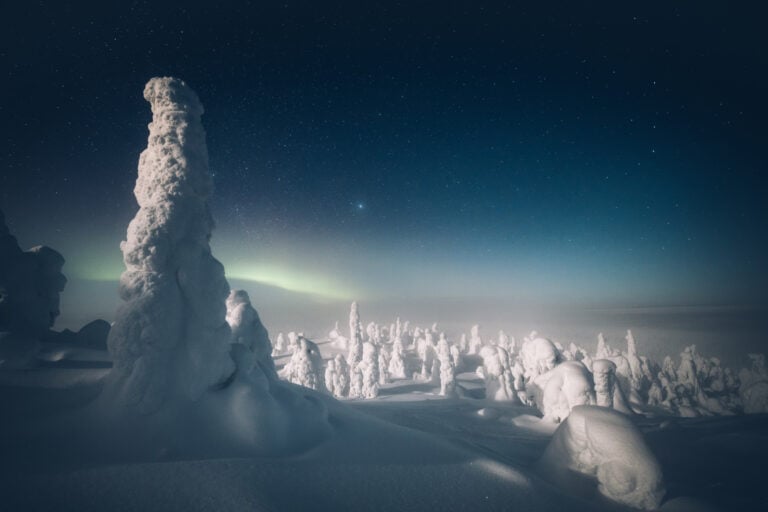
The optimal months for northern lights viewing in Finland are September through March, with peak viewing typically occurring between December and February. The aurora borealis requires dark skies to be visible, which means you need sufficient nighttime hours. In Finnish Lapland, particularly in areas like Ruka, the darkness during these months provides excellent conditions for this natural phenomenon.
September and March offer a sweet spot for many visitors. These months provide adequate darkness whilst offering milder temperatures than the depths of winter. You’ll have reasonable chances of aurora sightings without enduring the extreme cold that can accompany midwinter viewing.
December through February delivers the darkest skies and longest nights, maximizing your viewing opportunities. In northern Finland, you might experience polar night conditions where the sun barely rises, creating extended periods of darkness ideal for aurora hunting. However, these months also bring the coldest temperatures, so proper clothing is essential.
The northern lights appear based on solar activity rather than a fixed schedule, so there’s never a guarantee. However, choosing months with maximum darkness hours significantly improves your chances. Clear skies matter as much as darkness, and Finland’s inland locations often offer better conditions than coastal areas where clouds are more frequent.
When should you visit Finland for winter activities and snow sports?
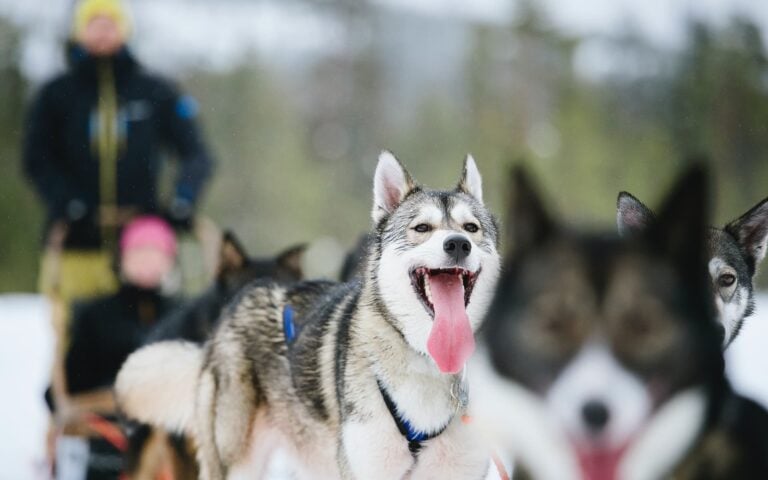
December through April represents the prime season for winter sports and snow-based activities in Finland. Snow conditions are typically reliable throughout this period, with ski resorts and activity providers operating at full capacity. Destinations like Ruka offer excellent facilities for skiing, snowboarding, and snowmobiling during these months.
December and January provide the most atmospheric winter experience with short daylight hours and the possibility of northern lights. However, these months also bring the coldest temperatures and limited daylight, which can be challenging for families with young children. The magical quality of winter darkness appeals to those seeking an authentic Arctic experience.
February and March offer an ideal balance for many visitors. Snow conditions remain excellent, but daylight hours increase noticeably, and temperatures become slightly more manageable. These months are particularly popular for holiday packages to Finland that combine winter activities with comfortable conditions.
April extends the winter season with good snow coverage, especially in northern regions, whilst offering considerably more daylight and milder temperatures. This month suits those who want winter activities without extreme cold. Families often prefer this timing as children can enjoy outdoor adventures more comfortably, and the extended daylight allows for fuller activity schedules.
What are the best months for experiencing Finland’s midnight sun?
June and July are the peak months for experiencing Finland’s midnight sun, when the sun barely sets or doesn’t set at all in northern regions. The further north you travel, the more dramatic this phenomenon becomes. In Lapland, you can experience true midnight sun where the sun remains visible throughout the night, creating surreal lighting conditions.
The midnight sun period enhances virtually every outdoor activity. Hiking becomes possible at any hour, allowing you to explore trails when it suits your schedule rather than racing against sunset. Kayaking and canoeing on Finland’s countless lakes take on a magical quality under the soft light of the never-setting sun.
Photography enthusiasts find these months particularly rewarding. The extended golden hour lighting creates exceptional conditions for landscape photography. Wildlife is more active during the cooler nighttime hours, and you can observe and photograph animals in beautiful light throughout the evening.
Fishing, cycling, and general nature exploration all benefit from 24-hour daylight. You can genuinely make the most of each day without time constraints. The atmosphere during these months is energetic and optimistic, with locals embracing the brief summer season enthusiastically. We find that visitors often feel energized by the constant daylight, though some need eye masks for sleeping.
How do you choose the right month based on your travel priorities?
Matching your travel month to your priorities requires considering several factors. Start with your main interest: if northern lights top your list, focus on September through March. For midnight sun and summer activities, June and July are your targets. Winter sports enthusiasts should look at December through April, with February and March offering the best balance.
Budget considerations matter significantly. Peak season (December to March for winter, June to July for summer) brings higher prices for accommodation and activities. Shoulder seasons (April to May, September to November) often provide better value whilst still offering good experiences. Holiday packages to Finland during shoulder periods can represent excellent value.
Your temperature tolerance should influence your decision. December and January can reach extreme cold in Lapland, whilst June and July offer the mildest conditions. If you dislike cold, consider visiting in late March or April for winter activities, or September for autumn colours without summer crowds.
Crowd levels vary dramatically by season. July and Christmas periods see the most tourists, whilst May and September offer quieter experiences. If you value solitude and authentic interactions, shoulder seasons provide more peaceful exploration opportunities. We often recommend these periods to visitors seeking a more intimate connection with Finnish nature.
Special interests should guide your timing as well. Photography enthusiasts might prioritize autumn colours (September) or winter landscapes (January to February). Wildlife observers often prefer spring or autumn. Cultural experiences are available year-round, but summer festivals and events are concentrated in June and July.
Consider combining priorities by choosing transitional periods. Late February and March offer winter activities with increasing daylight. September provides aurora possibilities with milder weather than deep winter. These compromise months often deliver the most well-rounded experiences for visitors with varied interests.