





Why You Should Try a Night Hike in Lapland
Lapland has a way of making the ordinary feel extraordinary. The vast forests, the mirror-still lakes, and the sky that shifts between deep Arctic blue and blazing gold create a landscape that simply demands to be explored. And while daytime hikes in Lapland are spectacular in their own right, stepping out under the open sky after dark unlocks a completely different kind of magic. Whether chasing the northern lights or wandering through a night that never quite turns dark, a night hike in Lapland is one of those experiences that stays with you long after the journey home.
From families looking for shared adventures to solo travellers seeking something genuinely off the beaten path, hiking in Lapland at night offers a rare connection with nature that few destinations in the world can match. This guide covers everything worth knowing before lacing up your boots and heading out into the Arctic dark.
What makes night hiking in Lapland so special
Lapland’s natural environment transforms after sundown in ways that are difficult to put into words until you have experienced them firsthand. The silence deepens, the air sharpens, and the landscape takes on a quality that feels almost cinematic. Unlike urban night walks, a Lapland nature experience after dark means stepping into an environment where the sky is the main event and the wilderness stretches in every direction without interruption.
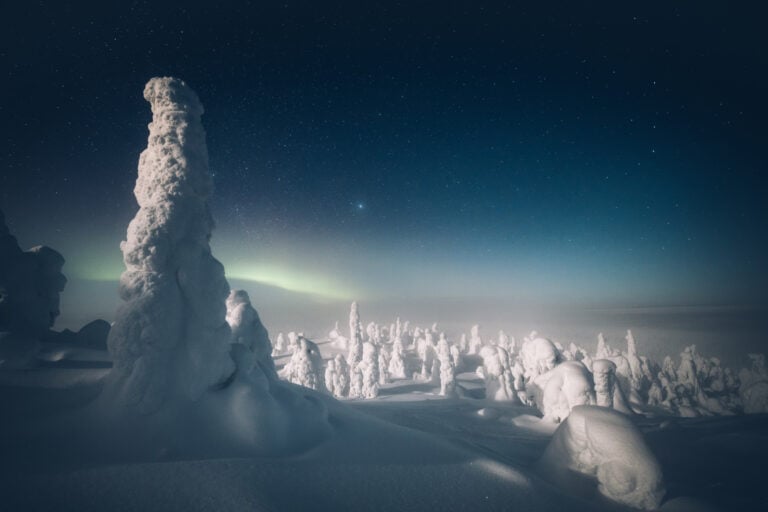
What truly sets Lapland apart is the dramatic contrast between its seasons. In winter, darkness wraps around you like a blanket, turning the snow-covered fells into a glittering stage for the northern lights. In summer, the midnight sun bathes the landscape in warm amber light that never fully fades, creating the surreal sensation of hiking through a golden hour that simply refuses to end. Neither experience feels quite like anything else on Earth, and both are available to anyone willing to step outside after dinner.
There is also something deeply grounding about moving through wild nature in low light. The senses sharpen, the pace slows, and the experience becomes more mindful. Many hikers find that a night walk in Lapland feels more immersive and emotionally resonant than the equivalent daytime route, simply because the environment demands full attention.
The best seasons for a night hike in Lapland
Lapland offers two distinctly different and equally rewarding windows for night hiking, each shaped by the region’s dramatic seasonal rhythms.
Winter and autumn: the northern lights season
From late August through March, the nights grow long enough for darkness to settle properly over the fells, and with it comes the possibility of witnessing the aurora borealis. The peak northern lights season runs roughly from September through February, when clear skies and long nights create ideal conditions for aurora activity. Hiking during these months means crunching through snow, breathing crisp Arctic air, and scanning a sky that can erupt into ribbons of green, violet, and white at any moment. This is the season that draws the most international visitors, and for good reason.
Summer: the midnight sun hike
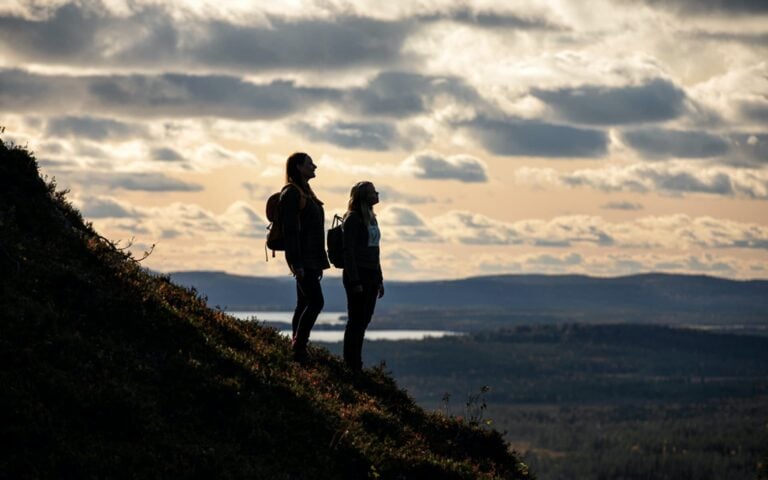
From late May through July, Lapland experiences the phenomenon of the nightless night. The sun circles the sky without setting, casting a continuous warm glow that turns late-night hikes into something almost dreamlike. A midnight sun hike in Ruka means wandering through birch forests and along fell ridges bathed in soft golden light at 11 pm or midnight, with birdsong still filling the air. It is a genuinely disorienting and wonderful experience, particularly for visitors from regions where darkness follows sunset as reliably as clockwork.
Late summer, particularly August, offers a transitional sweet spot where the nights begin to darken just enough for stars to appear, while the autumn colours start to paint the landscape in brilliant reds and oranges. This period combines the best of both worlds and is especially popular for guided evening excursions.
Why Ruka is the perfect base for night hikes
Ruka sits at the heart of one of Finland’s most celebrated outdoor destinations, and its geography makes it exceptionally well suited to night hiking. The fell rises to around 490 metres, offering elevated viewpoints with wide, unobstructed views of the surrounding landscape and sky. Trails radiate outward in multiple directions, ranging from short, accessible loops to longer routes that wind through old-growth forests and alongside pristine lakes.
The trail network around Ruka is well maintained and clearly marked, which matters enormously when navigating in low light or darkness. Hikers can move with confidence, knowing the paths are designed for year-round use and regularly maintained. The proximity of the trails to the resort also means that returning after a night out is straightforward, with warm accommodation waiting just a short walk away.
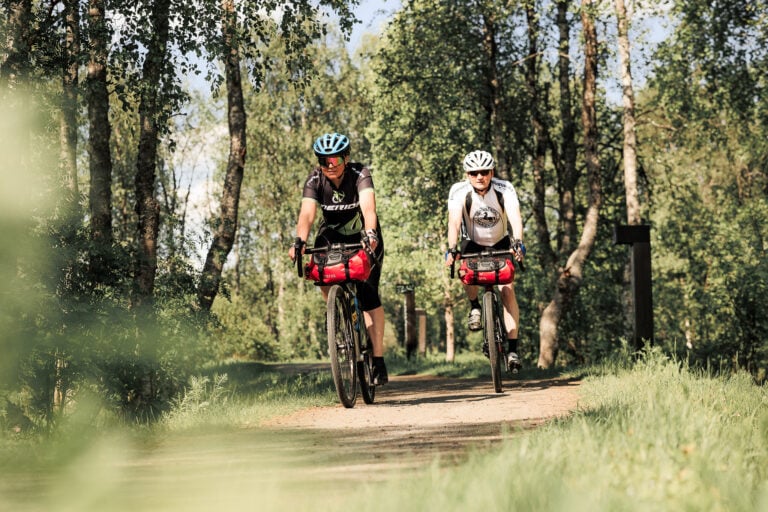
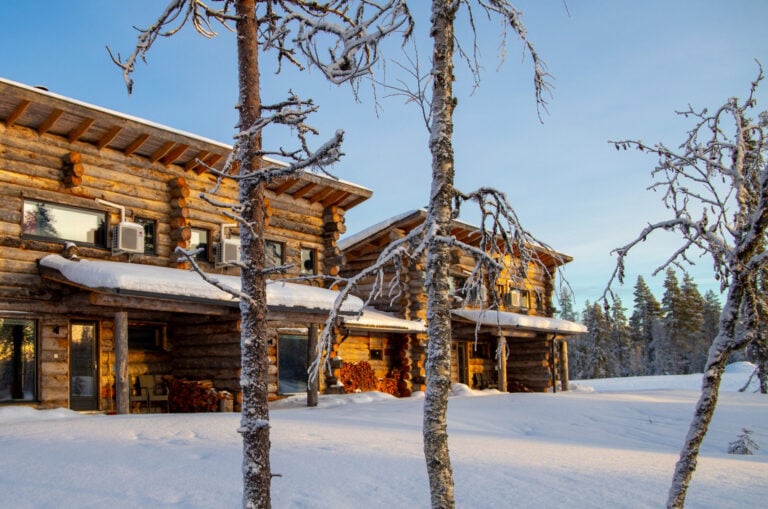
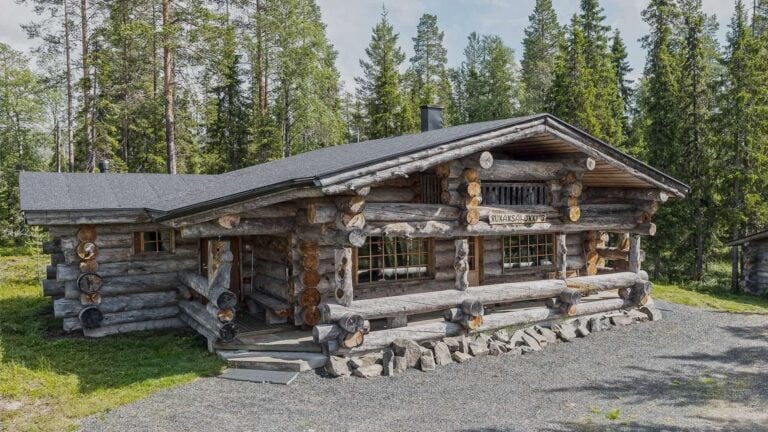
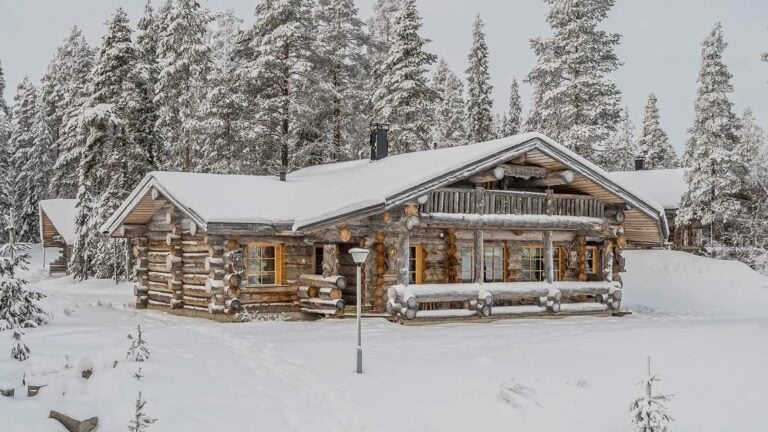
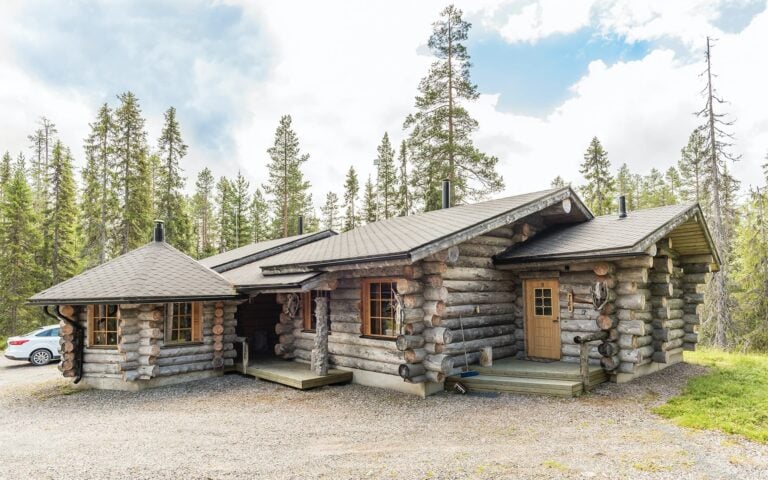
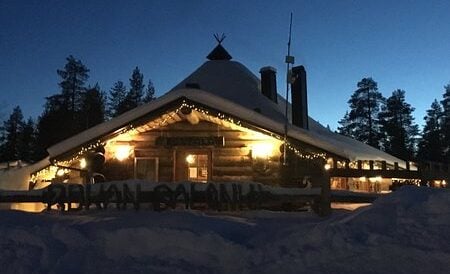
We at Rukan Salonki are positioned directly within this landscape, offering guests immediate access to the trails and activities that make Ruka such a compelling destination. Our Arctic summer-night hike is a guided 3 to 4 kilometre trek through the Ruka landscape during the nightless night, lasting around 2 to 2.5 hours and including a light snack and a hot drink along the way. It is suitable for people with a normal level of fitness and welcomes children aged five and older, making it a genuinely family-friendly adventure. For those who want to combine the thrill of movement with the possibility of aurora sightings, our bike safari to search for the northern lights takes guests out on electric fat bikes through the autumn fell landscape, with an expert guide leading the way to prime viewing spots.
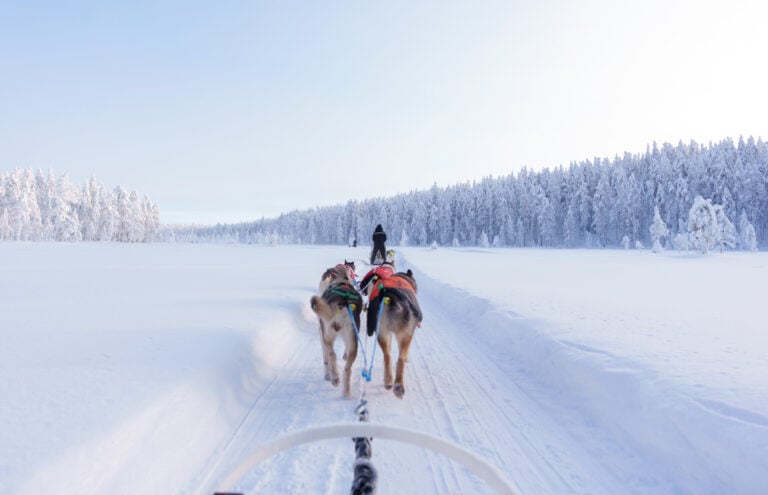
Beyond guided options, the broader Ruka-Kuusamo region offers access to a wide range of activities that complement night hiking beautifully, from canoeing and bear watching to husky hikes and reindeer herder experiences. The destination functions as a complete outdoor playground, and night hiking fits naturally into a broader itinerary.
What to bring on a night hike in Lapland
Preparation makes the difference between a night hike that feels magical and one that feels uncomfortable. Lapland’s weather can shift quickly regardless of season, so layering is the foundation of any smart packing strategy.
Clothing and footwear
In winter, this means a thermal base layer, an insulating mid-layer, and a windproof, waterproof outer shell. Temperatures can drop well below freezing, so insulated trousers, warm gloves, a hat, and a neck gaiter are all essential. Waterproof boots with good ankle support and grip are non-negotiable on snow and ice. In summer, temperatures are far milder, but evenings can still turn cool, especially on exposed fell ridges, so a light fleece and a packable rain jacket are worth carrying even on warm nights.
Gear and safety essentials
- A headlamp with fresh batteries, even in summer when the midnight sun provides light, as cloud cover can reduce visibility quickly
- A fully charged mobile phone with offline maps downloaded for the area
- A small first-aid kit, including blister treatment
- Sufficient water and a light snack for longer routes
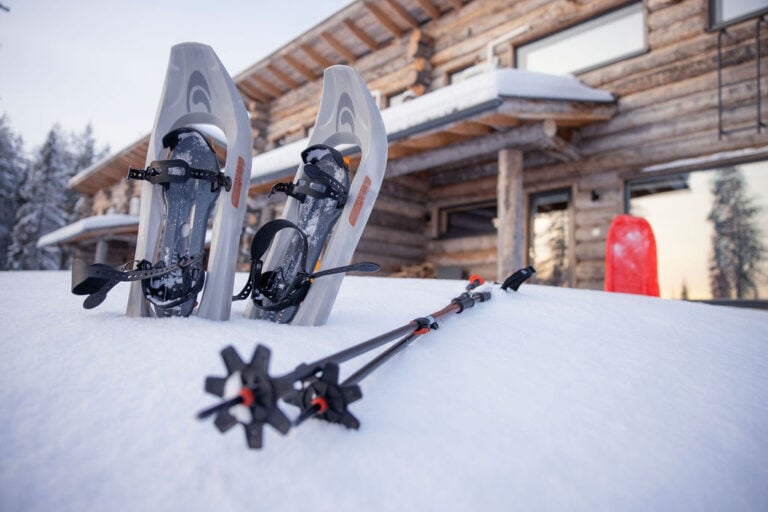
- Trekking poles for stability on uneven or icy terrain
- Insect repellent during the summer months, when mosquitoes are active in the evenings
For first-time night hikers, or those unfamiliar with the local terrain, joining a guided excursion is the most comfortable and rewarding option. Guides bring local knowledge, safety equipment, and the ability to read conditions in real time, all of which significantly enhance the experience.
How to spot the northern lights on a night hike
Spotting the aurora borealis on a northern lights hike requires a combination of timing, location, and a little patience. The lights are caused by solar particles interacting with the Earth’s atmosphere, and their intensity varies with solar activity. The good news is that Ruka’s latitude places it squarely within the auroral zone, meaning sightings are genuinely frequent during the dark season rather than a rare stroke of luck.
Conditions that favour aurora sightings
Clear skies are the single most important factor. Cloud cover blocks the view entirely, so keeping an eye on the weather forecast in the days before a planned night hike is worthwhile. The best displays tend to occur between 10 pm and 2 am, though this is not a fixed rule. Moving away from any artificial light sources, even the modest lighting around a small resort, dramatically improves visibility. The elevated viewpoints on the Ruka fell are particularly effective for this reason, as they lift hikers above the treeline and open up wide sections of sky.
What to look for
The aurora does not always appear as the vivid curtains of colour seen in photographs. Often, it begins as a faint greenish glow or a pale arc low on the horizon. Camera sensors pick up the colours more readily than the human eye, so taking a photo even when the sky looks only mildly interesting can reveal activity that is not immediately obvious to the naked eye. When the display intensifies, the movement becomes unmistakable, with light rippling and shifting across the sky in real time.
Our guided bike safari to search for the northern lights is specifically designed to maximise your chances of seeing the aurora, with routes that take guests to elevated, open positions on the fell and expert guidance on reading the sky. It runs from the last week of August through to the end of November, covering the most active period of the aurora season.
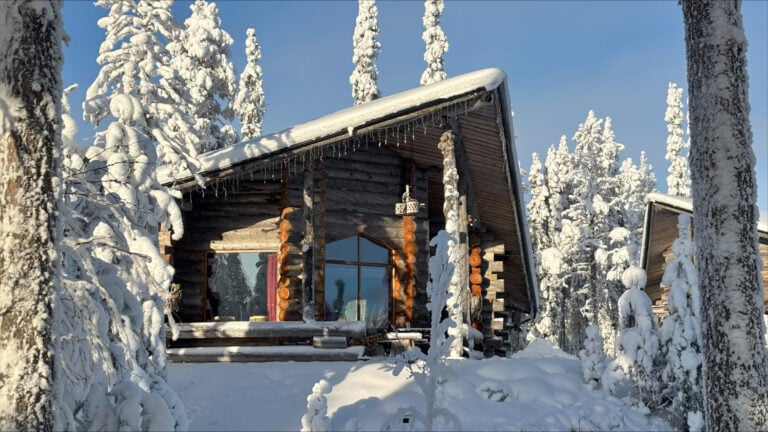
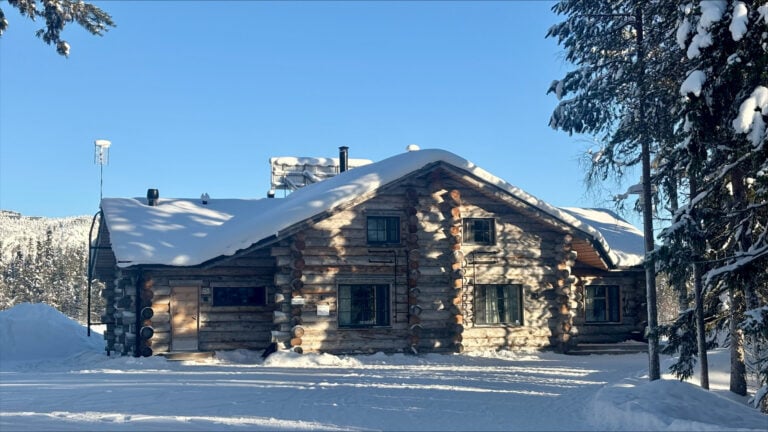
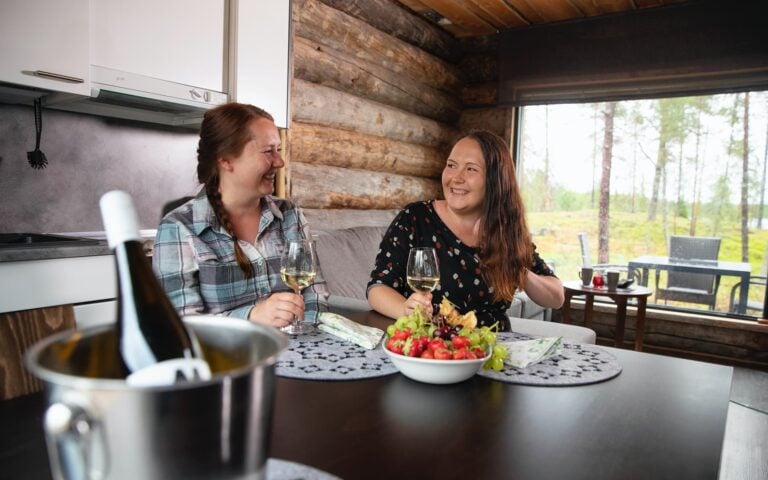
A night hike in Lapland, whether under the endless summer sun or the aurora-lit winter sky, is the kind of experience that reframes what a holiday can be. If you are ready to make it happen, explore our holiday packages, which combine quality accommodation in our traditional log chalets with access to guided activities and the full breadth of what Ruka has to offer. You can also browse our full range of Lapland activities or head straight to book your stay and start planning the adventure.